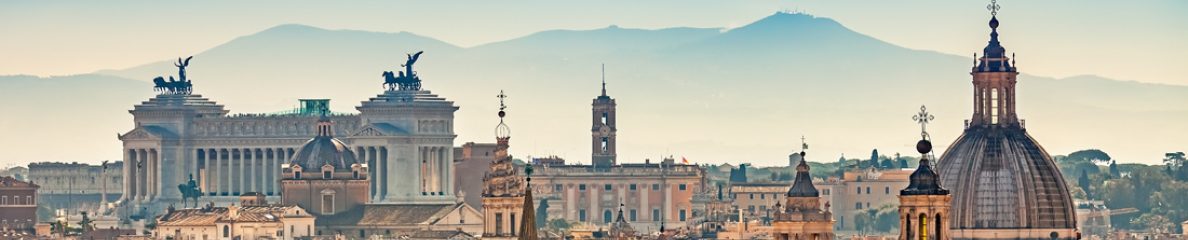
Dolce far niente
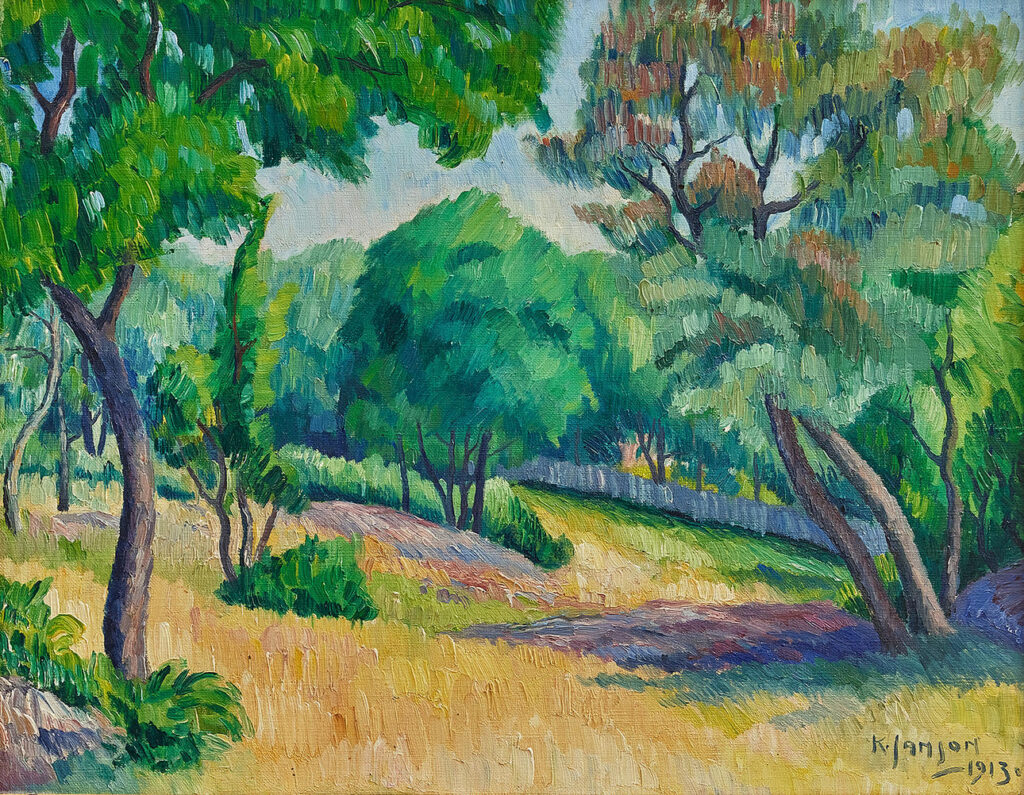
Hochsommer
O Frühling, holder fahrender Schüler,
Wo zogst du hin? Die Linden blühn,
Die Nächte werden stiller, schwüler,
Und dichter schwillt das dunkle Grün.
Doch ach! Die schönen Stunden fehlen,
Wo jedes Leben überquoll,
Wo trunken alle Schöpfungsseelen
Ins Blaue schwärmten wollustvoll.
Nicht singt mehr wie am Maienfeste,
Die Nachtigall, die Rosenbraut;
Sie fliegt zum tiefverborg’nen Neste
Mit mütterlich besorgtem Laut.
Der goldne längste Tag ist nieder,
Der Himmel voll Gewitter glüht;
Verklungen sind die ersten Lieder,
Die schönsten Blumen sind verblüht.
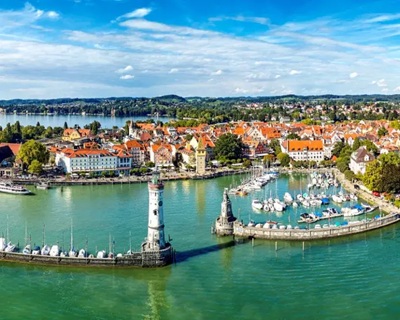
Lindau aan het Bodenmeer, de geboorteplaats van Hermann Lingg
De Amerikaanse schrijver Richard Russo werd geboren op 15 juli 1949 in Johnstown, New York. Zie ook alle tags voor Richard Russo op dit blog.
Uit: Straight Man
“When my nose finally stops bleeding and I’ve disposed of the bloody paper towels, Teddy Barnes insists on driving me home in his ancient Honda Civic, a car that refuses to die and that Teddy, cheap as he is, refuses to trade in. June, his wife, whose sense of self-worth is not easily tilted, drives a new Saab. “That seat goes back,” Teddy says, observing that my knees are practically under my chin.
When we stop at an intersection for oncoming traffic, I run my fingers along the side of the seat, looking for the release. “It does, huh?”
“It’s supposed to,” he says, sounding academic, helpless.
I know it’s supposed to, but I give up trying to make it, preferring the illusion of suffering. I’m not a guilt provoker by nature, but I can play that role. I release a theatrical sigh intended to convey that this is nonsense, that my long legs could be stretched out comfortably beneath the wheel of my own Lincoln, a car as ancient as Teddy’s Civic, but built on a scale more suitable to the long-legged William Henry Devereauxs of the world, two of whom, my father and me, remain above ground.
Teddy is an insanely cautious driver, unwilling to goose his little Civic into a left turn in front of oncoming traffic. “The cars are spaced just wrong. I can’t help it,” he explains when he sees me grinning at him. Teddy’s my age, forty-nine, and though his features are more boyish, he too is beginning to show signs of age. Never robust, his chest seems to have become more concave, which emphasizes his small paunch. His hands are delicate, almost feminine, hairless. His skinny legs appear lost in his trousers. It occurs to me as I study him that Teddy would have a hard time starting over-that is, learning how unfamiliar things work, competing, finding a mate. The business of young men. “Why would I have to start over?” he wants to know, a frightened expression deepening the lines around the corners of his eyes.
Apparently, to judge from the way he’s looking at me now, I have spoken my thought out loud, though I wasn’t aware of doing so. “Don’t you ever wish you could?”
“Could what?” he says, his attention diverted. Having spied a break in the oncoming traffic, he takes his foot off the brake and leans forward, his foot poised over but not touching the gas pedal, only to conclude that the gap between the cars isn’t as big as he thought, settling back into his seat with a frustrated sigh.”

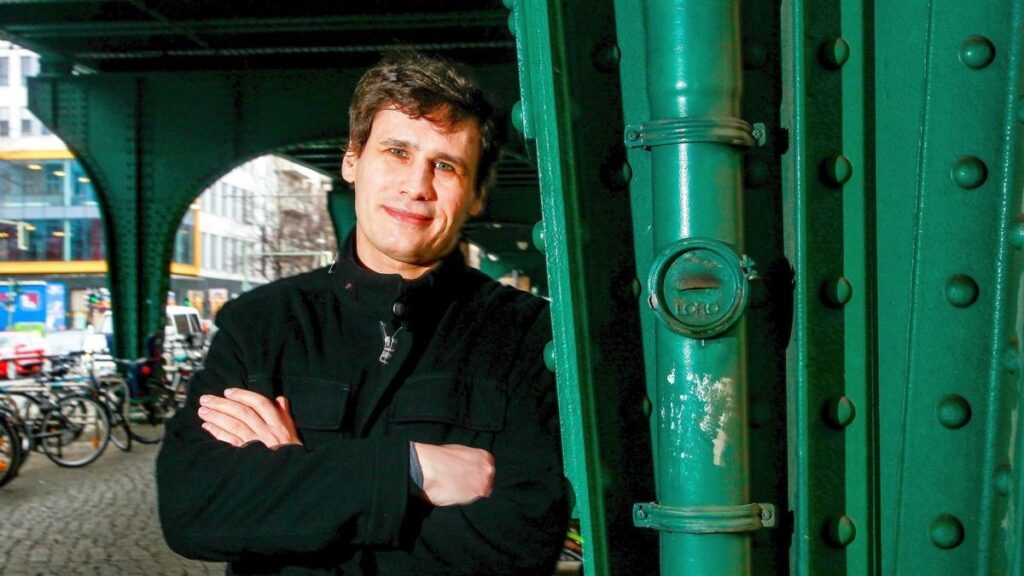
De Duitse dichter en schrijver Steffen Popp werd geboren op 18 juli 1978 in Greifswald. Zie ook alle tags voor Steffen Popp op dit blog en ook mijn blog van 18 juli 2010.
Venster op de wereldnacht
Een tram staat te slapen voor het huis – geel
met ingeklapte panto, opgerold in het parkeerlicht
voorin de tram dromen twee conducteurs
hoofdeloos, onder de kleppen van hun kartonnen petten
eentje komt in beweging
stapt uit, een zwakke gloed, en ademt
rook uit, met zijn rug naar de cabine
lang kijkt hij
omhoog, door de oranje verlichting –
blind
als Homerus, in zwarte schoenen
met stalen neuzen
onder de geveltop van Uranus.
Vertaald door Frans Roumen
Zie voor nog meer schrijvers van de 15e juli ook mijn blog van 15 juli 2020 en eveneens mijn blog van 15 juli 2019 en ook mijn blog van 15 juli 2017 deel 2.