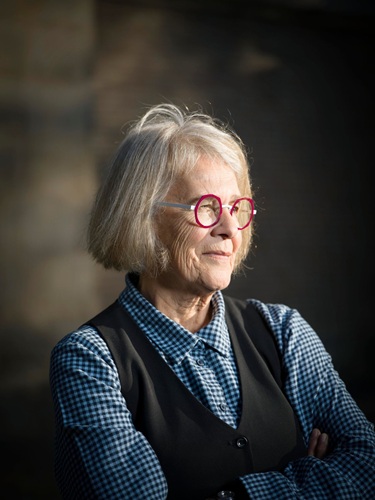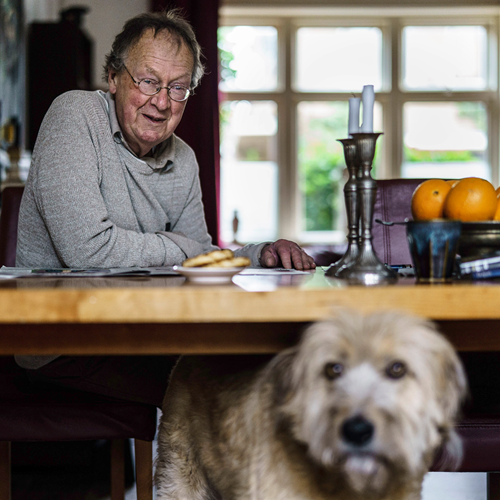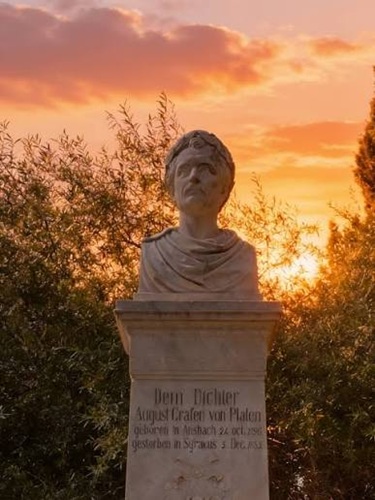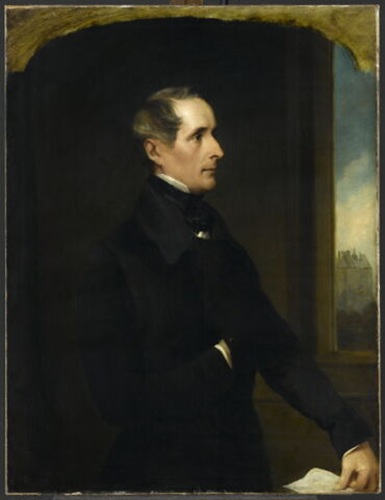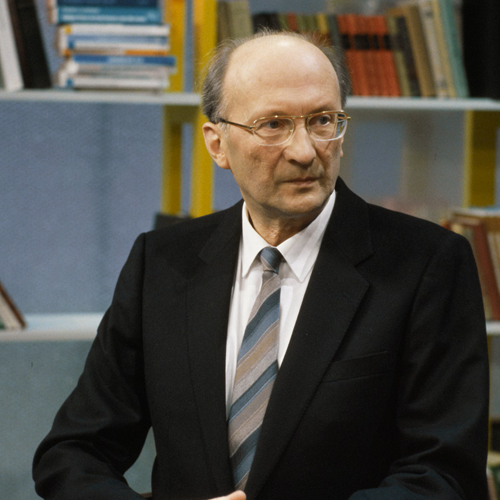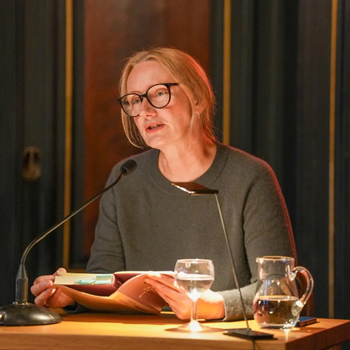
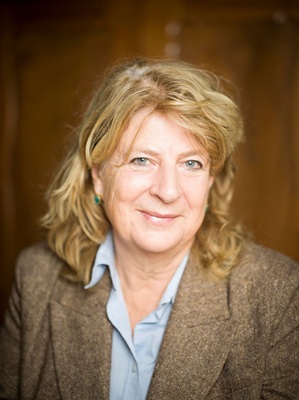
De Nederlandse schrijfster en journaliste Marja Pruis werd geboren in Amsterdam op 26 oktober 1959. Zie ook alle tags voor Marja Pruis op dit blog.
Uit: Huiswerk
“Ik lag vannacht in een gouden tent. Van buiten was alleen het licht zichtbaar, een blote borst, een korte kaki broek. Binnen was het warm en zacht, geluidloos.
Ik lees een boek waarvan de verteller zegt niet sentimenteel te zijn aangelegd. Maar wat is ze dan wel?
De eerste keer dat ik op papier ons huis zag, hoe het er vanbinnen zou gaan uitzien, kon ik wel huilen. Ik kijk nog wel eens rond met die blik, alsof ik het voor het eerst zie. Is het geworden wat ik toen op de tekening zag?
Hartog en ik scheurden plaatjes uit van dingen die we mooi vonden. Een kast, behang. Een badkamer alsof we in Brazilië gingen wonen. Ik had een dik boek, met honderd interieurs van over de hele wereld, met op de omslag een kamer met een boekenwand tot aan het plafond. Die wil ik, dacht ik.
Ik heb hem.
Schrijven vanuit geluk, niet vanuit verlangen, ik denk dat dat het moeilijkste is, maar ook wat me te doen staat.
Er werd ingebroken. Wat het extra eng maakte was dat de inbreker nog in huis moest zijn.
Toen ik naar beneden was gegaan, stond mijn vader daar. Het was stikdonker, de ruimte was leeg alsof er nog werd verhuisd. Er zou een televisie verschoven zijn.
‘Ga maar slapen,’ zei hij.
‘Maar wat nou als hij er weer is?’ vroeg ik.
Ik lag onder in het stapelbed, ik was nog maar klein. Dat was het meest onrustbarend, ik was iemand anders, ik had een andere naam. Toen ik in bed lag, dikke dekens op me, was er geschuif in de kamer, iemand die ik kende wist overal van, ze maakte een kast open waar de inbreker uit vandaan kwam, een vrouw met lange zwarte haren, stevige wenkbrauwen. Ze keek me vorsend aan zoals ik daar lag, ze zei iets tegen me, dat ik niks mocht zeggen of dat ik er niks van had begrepen. De pannen op tafel, oma’s brede vriendelijkheid, het lijkt een andere eeuw. Het ís een andere eeuw. Het schilderij met de magnoliatakken hangt hoog aan de mottige muur, ongeschonden en soeverein.
Het hangt nu hier, bij de trap naar boven.
Op een foto uit zonniger tijden staat opa bij de voordeur, met opgerolde hemdsmouwen. Hij staat er fier bij, fierder dan ik me hem herinner. Knap, met een naar binnen gekeerde lach.”
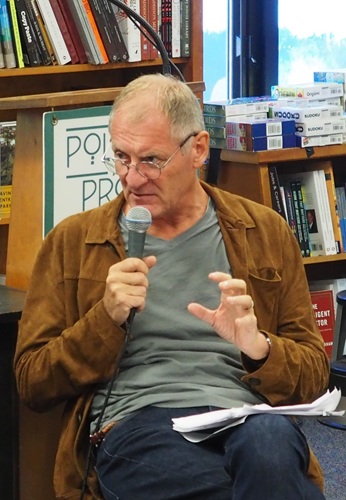
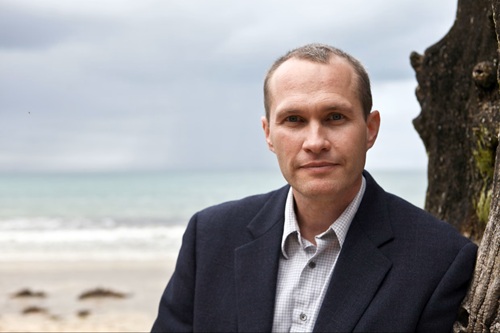
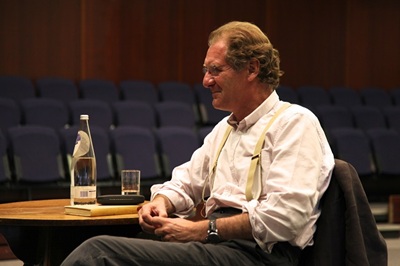
De Engelse dichter, schrijver en biograaf Andrew Motion werd geboren op 26 oktober 1952 in Braintree in Essex. Zie ook alle tags voor Andrew Motion op dit blog.
Dagen van herdenken
Vierde jaar
De avond valt terwijl weer
nieuwe sneeuw neerdaalt die bomen
tot witte vormen halveert
en die mij meedrijft naar
het eind van weer een jaar.
Wat heeft het jou te bieden
dat dit jaar erbij liet zitten?
Je hebt jezelf overleefd,
en brengt mij de wereld weer
die ik kende, zonder de tijd
die wij kwijt zijn; totdat ik vergeet
wat die tijd toch niet geven kan,
kom ik hier steeds eender aan,
geen dode te betreuren,
maar wel leven dat wij nergens
delen buiten jouw kamer,
onze liefde die zich herhaalt
als de sneeuw die ik deze avond
zie wervelen tegen mijn raam,
en die dan vervaagt in het donker.
Vertaald door Peter Verstegen
Zie voor nog meer schrijvers van de 26e oktober ook mijn blog van 26 oktober 2025 en ook mijn blog van 26 oktober 2021 en ook mijn blog van 26 oktober 2018 en ook mijn blog van 26 oktober 2014 deel 2.