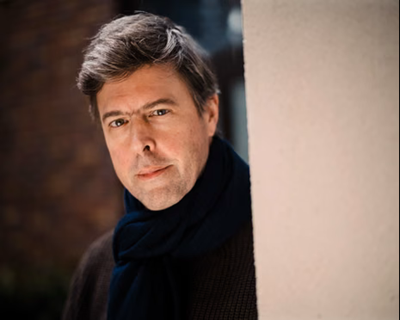
In Memoriam Yvonne Keuls


In Memoriam Yvonne Keuls

De Nederlandse schrijfster Yvonne Keuls is gisteren op 93-jarige leeftijd overleden. Yvonne Keuls werd geboren op 17 december 1931 in Batavia, toen nog een onderdeel van Nederlands-Indië. Zie ook alle tags voor Yvonne Keuls op dit blog.

Uit: Gemmetje Victoria

“Ik lees nooit rapporten,” zei ik, ‘dus ook niet de jouwe. Als het nodig is, leer ik je wel kennen.”
Ik zag dat ze onrustig werd. Ze ging staan, zweeg en hield mij in de gaten. Ze begon te wiebelen, van het ene been op het andere, waarschijnlijk zoekend naar het volgende voorwerp dat ze naar mijn hoofd kon smijten.
‘Is er geen asbak hier? We mogen toch wel roken? In alle psychiatrische inrichtingen roken ze als de pieten. Maar daar heb jij natuurlijk nooit gezeten, haha.’ Daarna, met een knikbeweging naar de rapporten: ‘Staat een stempel op. Op al die rapporten dezelfde stempel: onhandelbaar. Bedoelen ze mij mee.’ Ze maakte agressief het stempelgebaar en keek aandachtig hoe ik daarop reageerde.
‘Ik wist niet dat daar een stempel van bestond,’ zei ik rustig.
‘Naïef tiepje, jij, hè. Bij jeugdzorg gaan ze zuinig om met hun tijd. Als je een stempel hebt, hoef je namelijk niks op te schrijven, kan je eerder naar huis.’ Ze lachte spottend.
‘Nou… hoe heet je?’
‘Gem,’ zei ze. ‘Gemmetje Victoria. Officieel alleen Gemmetje. Victoria werd mijn achternaam omdat ze die niet wisten. Iemand heeft dat bedacht omdat ik altijd weer kwam bovendrijven. Staat tenminste in een van die rapporten, maar niemand weet of het waar is. Eigenlijk best leuk om rapporten over jezelf te lezen. Allemaal gelogen natuurlijk. Hebben ze allemaal geschreven om zichzelf belangrijk te maken. Heb jij zelf geen naam?’
‘Yvonne,’ zei ik.
‘Ja, dáár moest ik naar vragen. Naar Yvonne. Jij bent die schrijfster, hè, dat vind ik interessant. En jij vindt míj vast ook interessant. Om over te schrijven, zeiden ze. Niet om wie ik echt ben, want dan moet je tijd in me stoppen en daar heeft niemand zin in. Als jij over mij gaat schrijven, word ik dan beroemd? Misschien gaan ze dan wel een film over mij maken. Word ik nog rijk ook. En jij samen met mij. Dat is een goeie combinatie, hoor, jij en ik. De beste kans van slagen.’
‘In wat?’ vroeg ik.
‘Nou, dat ik er niet meteen weer uit gemieterd word. Het lijkt me hier wel wat, zo’n groot huis in de duinen. Hoeveel kamers hebben ze hier wel niet?’
‘Een stuk of dertig.’
‘Godsklere… nou, dan mag ik zeker wel een eigen kamer hebben. En kan mijn kamer op slot? Want ik wil wel een kamer die op slot kan. En mag ik mijn kamer even zien?’

‘Straks.’
Na een poosje zwijgend om zich heen kijken richtte ze haar blik onderzoekend op mij.”
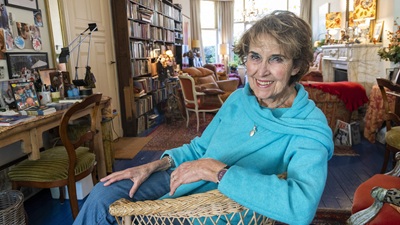
 

Yvonne Keuls (17 december 1931 – 16 november 2025)

Booker Prize 2025 voor David Szalay

Booker Prize 2025 voor David Szalay

De Hongaars-Britse schrijver David Szalay heeft de Booker Prize in de wacht gesleept voor zijn roman “Flesh”. De Hongaars-Britse schrijver David Szalay werd geboren in 1974 in Montreal, Canada, als zoon van een Canadese moeder en een Hongaarse vader. Zie ook alle tags voor David Szalay op dit blog.

Uit: Flesh

“When he’s fifteen, he and his mother move to a new town and he starts at a new school. It’s not an easy age to do that – the social order of the school is already well established and he has some difficulty making friends. After a while he does make one friend, another solitary individual. They sometimes hang out together after school in the new Western-style shopping mall that has just opened in the town.‘Have you ever done it?’ his friend asks him.
‘No,’ István says.
‘Me neither,’ his friend says, making the admission seem easy somehow. He has a simple and natural way of talking about sex. He tells István which girls at school he fantasises about, and what he fantasises about doing to them. He says that he often masturbates four or five times a day, which makes István feel inadequate since he usually only does it once or twice. When he admits that, his friend says, ‘You must have a weak sex drive.’
It may be true, for all he knows.
He doesn’t know what it’s like for other people.
He only has his own experience.
One day his friend tells him that he did it with a girl who lives on the other side of the train tracks.
The news is disorienting.
István listens while his friend describes, in some detail, what happened. He tries to work out if his friend is telling the truth or if he’s lying. Though he would prefer him to be lying, he thinks that he’s probably telling the truth. Some of the things he says seem too specific, too surprising, for him to have made them up.
Then, a few days later, he says he talked to the girl and she said she’d do it with István as well.
‘Seriously?’ István says.
‘Yeah,’ his friend says.
István doesn’t know if this means that the three of them will do it together, or just that he’ll do it with the girl on his own.
He is too unsure of himself to ask.
After school the same day, they walk across the footbridge over the train tracks.
It’s already getting dark.
They go down the metal steps on the other side of the footbridge and walk for a while until they arrive at a housing estate. It’s not dissimilar to the one where István and his mother live, only here the buildings, although also made of prefabricated concrete panels, are taller. At the entrance of one of them his friend enters the doorbell number of one of the flats.”


David Szalay (Montreal, 1974)